Tag: extracellular vesicles

  • New mini-review in EVCNA: bacterial extracellular vesicles in WHO priority pathogens

    New mini-review in EVCNA: bacterial extracellular vesicles in WHO priority pathogens

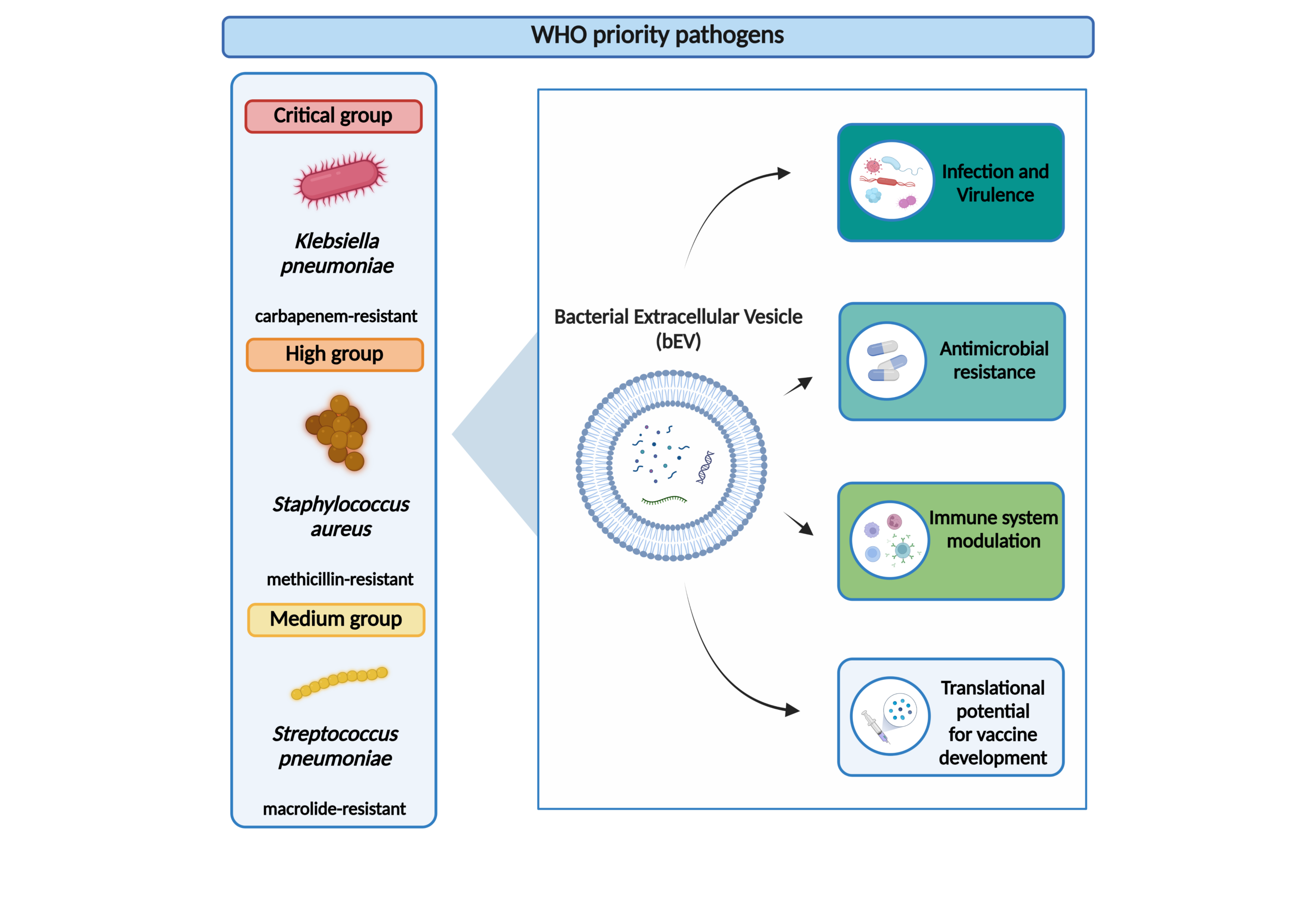
    We’re happy to share our newest publication: “Bacterial extracellular vesicles in priority pathogens: Klebsiella pneumoniae, Staphylococcus aureus, and Streptococcus pneumoniae”, now out in Extracellular Vesicles and Circulating Nucleic Acids as part of the special topic “Extracellular Vesicles: Communication Across Barriers.”

    Antimicrobial resistance (AMR) is one of the biggest threats to global health, and the WHO’s 2024 Bacterial Priority Pathogens List tells us where research is needed the most. In this mini-review, we bring together what is currently known about the vesicles released by three of these pathogens: carbapenem-resistant K. pneumoniae, methicillin-resistant S. aureus, and macrolide-resistant S. pneumoniae. We look at how vesicles can carry resistance-associated proteins, help transfer resistance genes, shape inflammation and immune responses, and how they are being explored as vaccine platforms. We also point out where the gaps are. For example, vesicles from macrolide-resistant pneumococci are still largely unexplored, and standardized isolation methods are needed so studies can be compared.

    This paper is Miriana’s work, and she was the driving force behind it. She carried the project, and she did it while managing lab work, student supervision, and a lot of careful time management. Miriana handled every round with patience and drive. Congratulations Miriana, and thank you!

    We hope this overview is a useful starting point for anyone working on AMR, bacterial vesicles, or vaccine development.

    📄 Read the article (open access): https://doi.org/10.20517/evcna.2026.129
  • New perspective in Trillium Extracellular Vesicles 2026: bacterial EVs, between biotech promise and biological “black boxes”

    New perspective in Trillium Extracellular Vesicles 2026: bacterial EVs, between biotech promise and biological “black boxes”

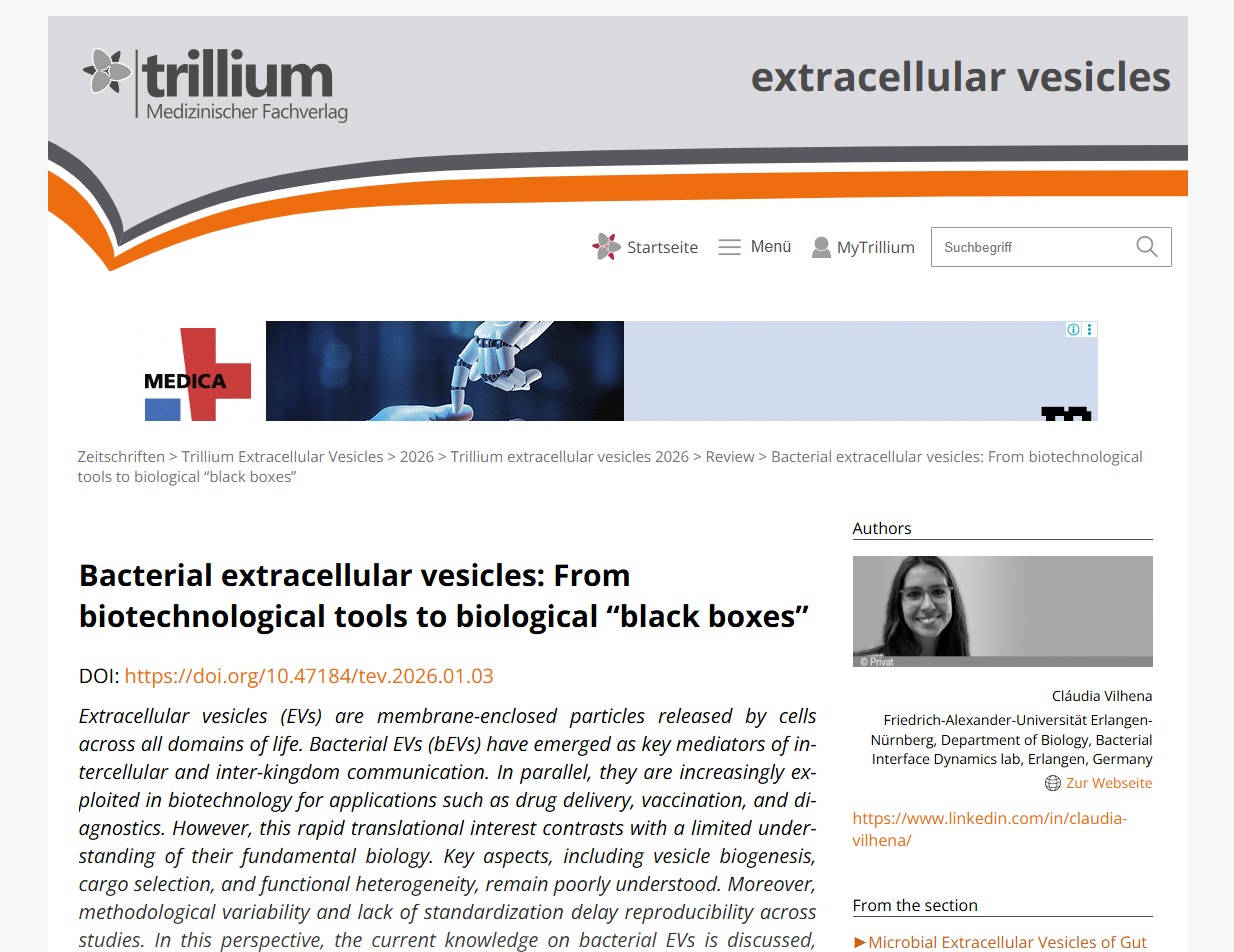
    I’m happy to share that my perspective article, “Bacterial extracellular vesicles: From biotechnological tools to biological ‘black boxes’”, is now out in the 2026 issue of Trillium Extracellular Vesicles.

    What the article is about
    Bacterial EVs (bEVs) are being fast developed as drug-delivery vehicles, vaccine platforms (the OMV-based meningococcal vaccines are the best-known example) and diagnostic tools. Our understanding of their basic biology hasn’t kept up. We still don’t know how vesicles form, how cargo is selected, or why vesicle populations are so heterogeneous, especially in Gram-positive bacteria, where vesicles have to cross a thick cell wall. Differences in isolation methods and the lack of standardised markers also make studies hard to compare. This piece argues that resolving these mechanisms is essential for both fundamental microbiology and the medical potential of bEVs.

    📄 Read the article: DOI 10.47184/tev.2026.01.03
    📚 Browse the full issue: Trillium Extracellular Vesicles 2026

    Full text requires a free MyTrillium account.


  • One week, two conferences (and a birthday!)

    One week, two conferences (and a birthday!)


    Last week of September was quite busy for the #BIDlab. We attended two conferences: the D-A-CH EV meeting and the Women in Science Erlangen Symposium.

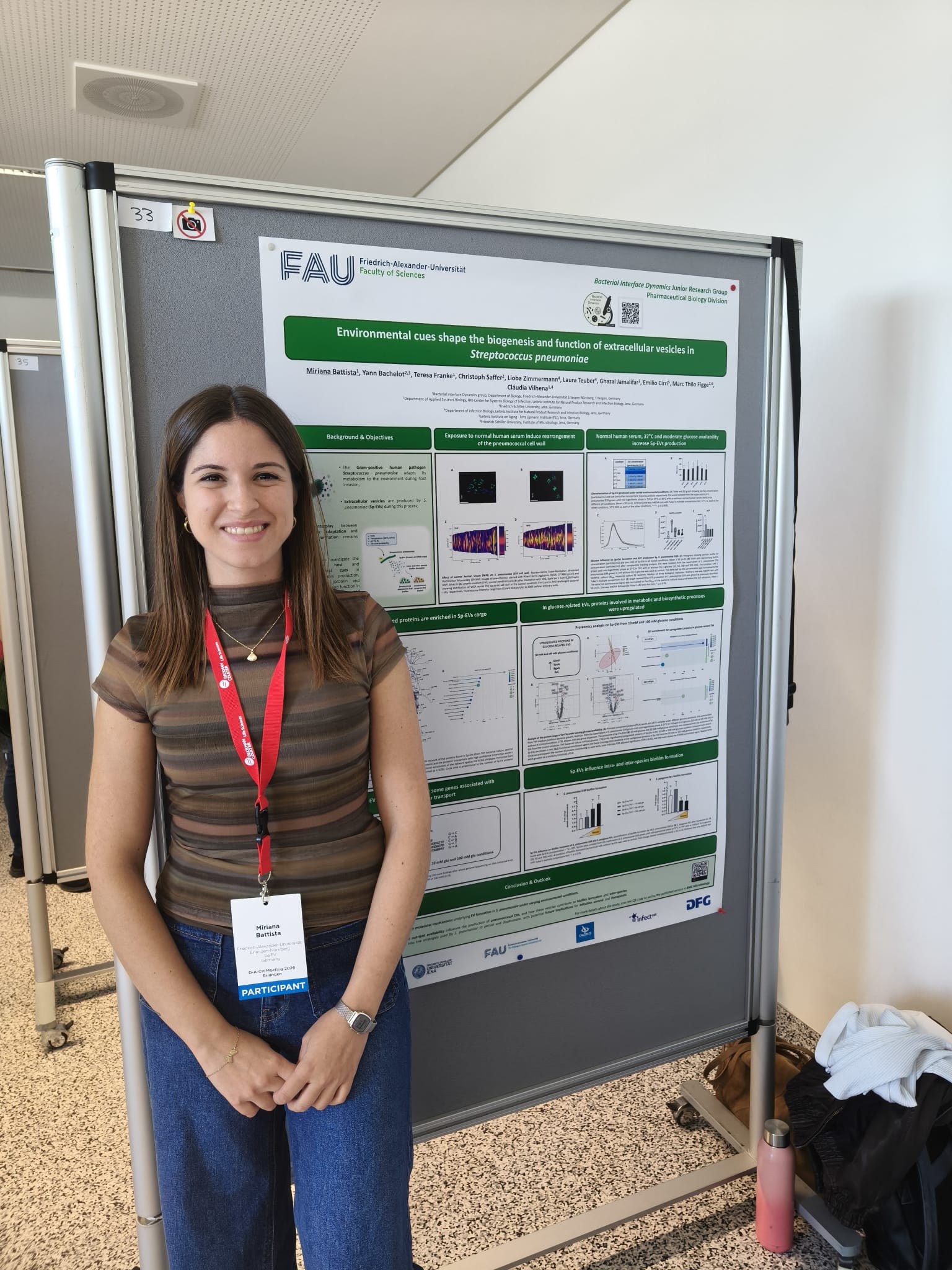
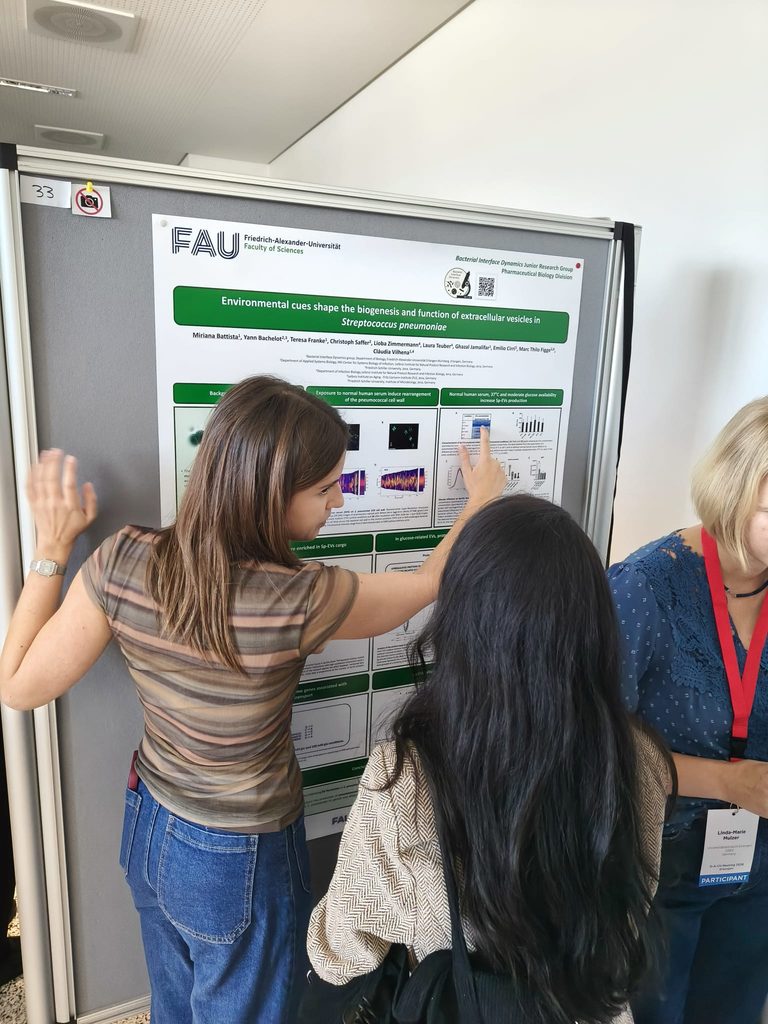
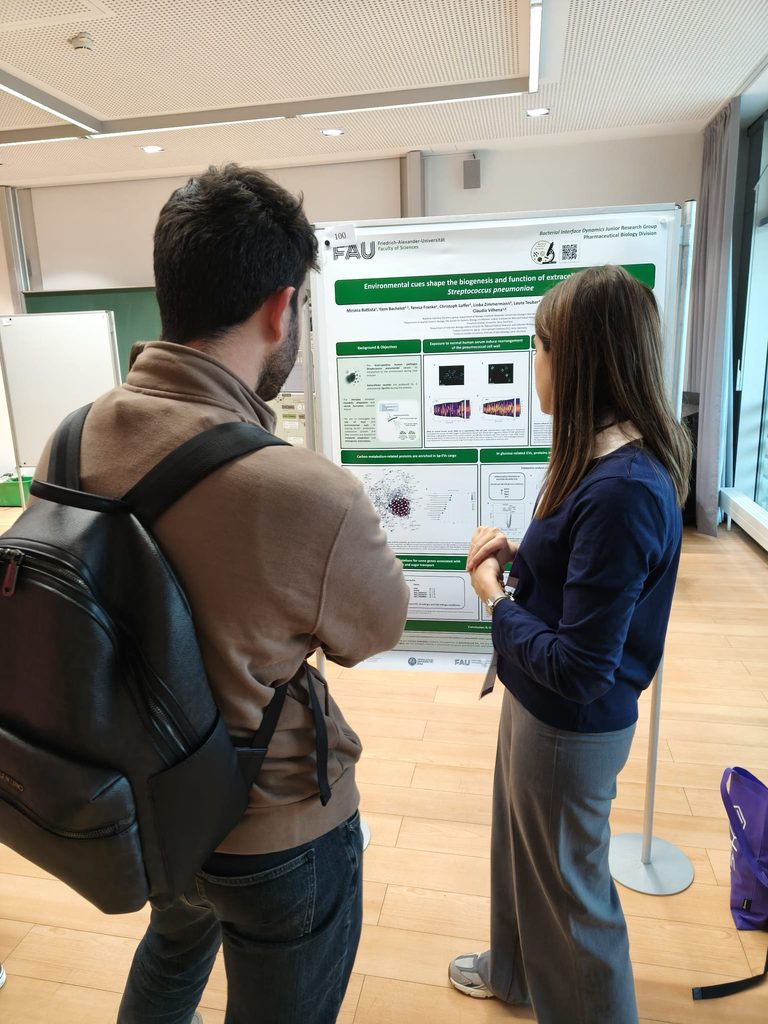
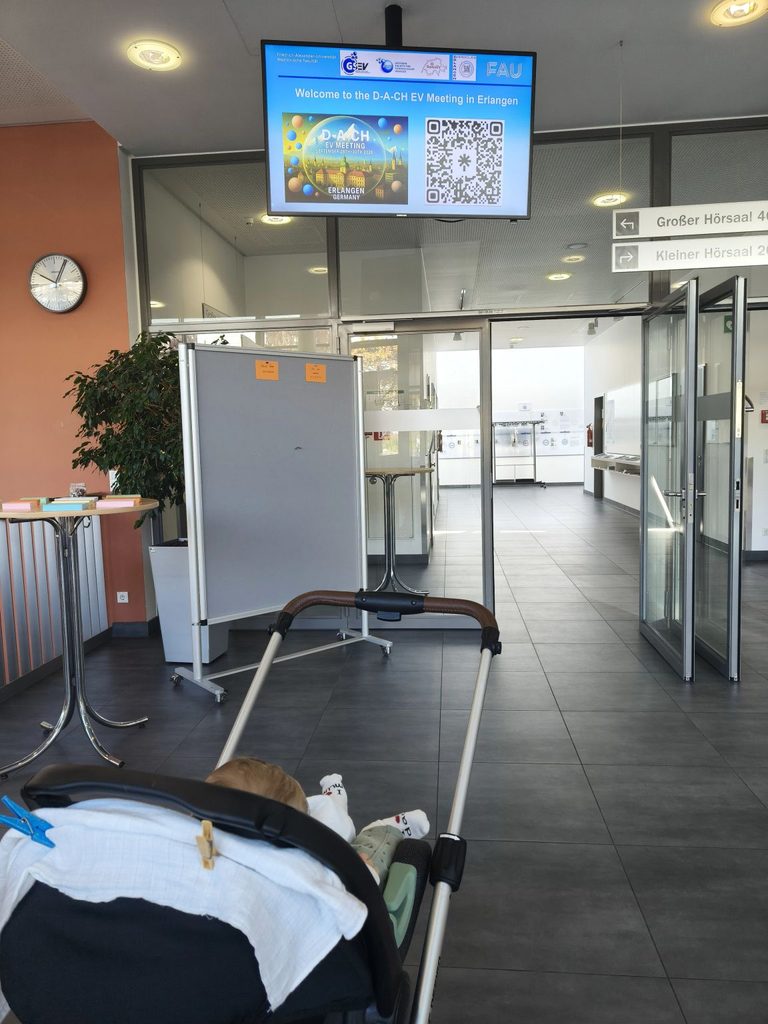
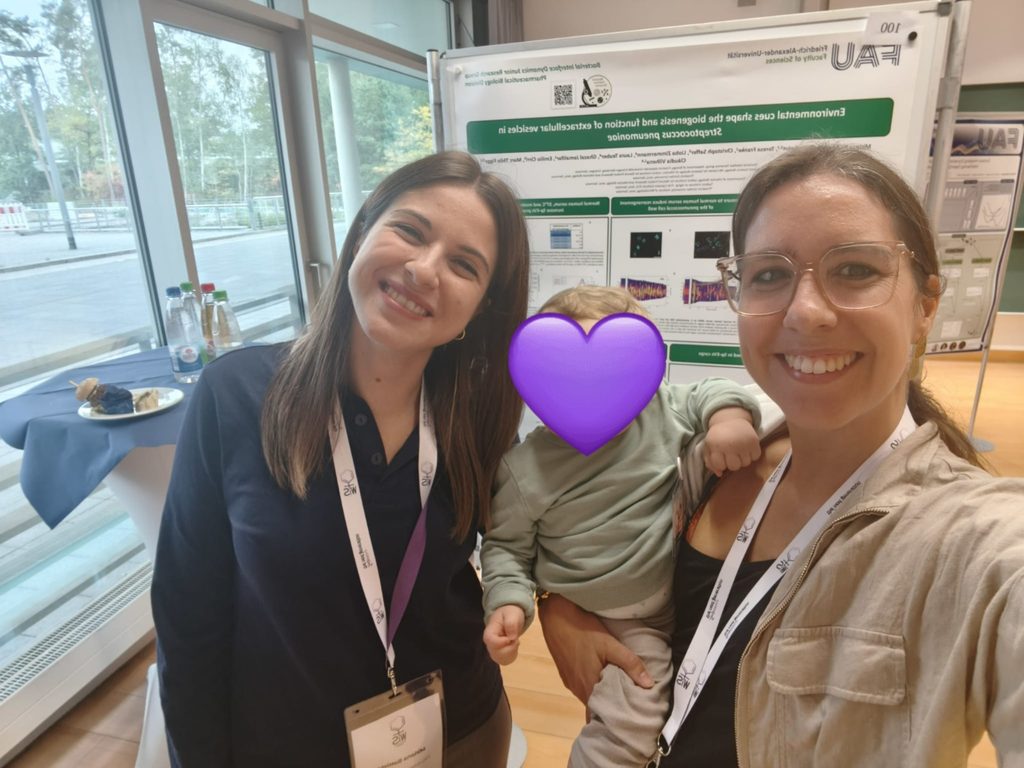
    First up was the D-A-CH EV Meeting 2026 in Erlangen, the joint meeting of the German, Austrian and Swiss extracellular vesicle societies, on this year’s theme “Extracellular Vesicles: Communication Across Barriers.” Three days of talks on EV biology fundamentals, purification and characterization, microbial EVs, clinical translation, and open questions in reproducibility, plus poster sessions. Miriana presented a poster there, and I presented one too, on our CAPNETZ project.

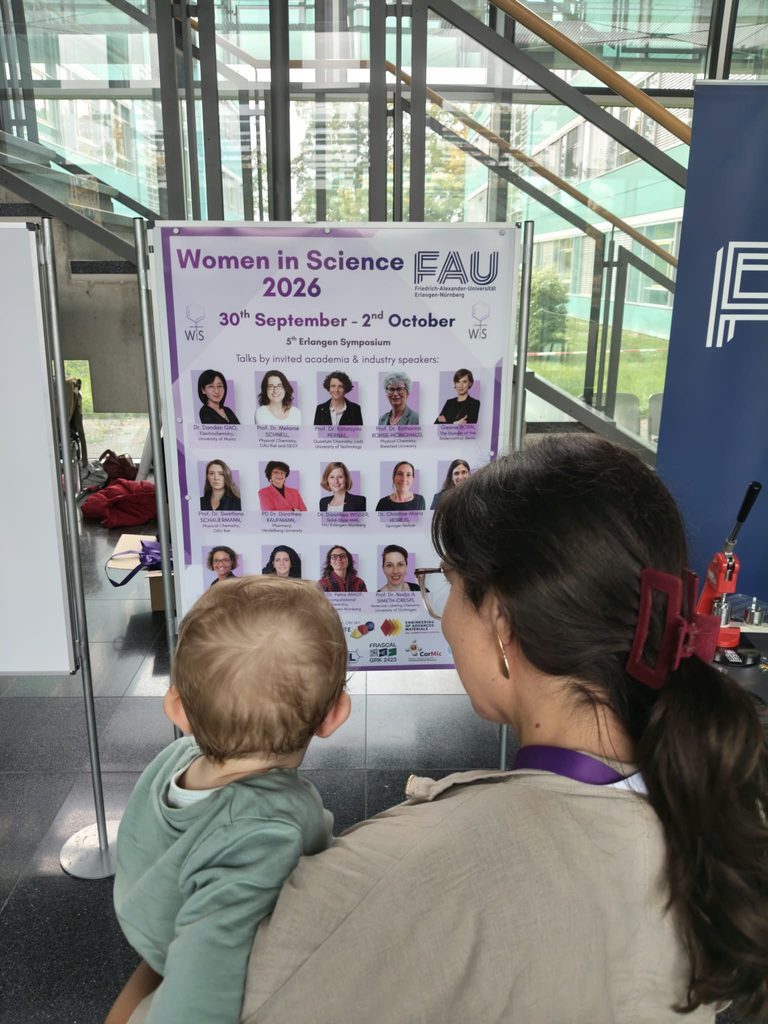
    Right after, we attended the Women in Science Symposium in Erlangen, and this one hit differently. Last year I organized this very symposium while pregnant. This year, I got to come back and actually experience it from the other side, baby in arms. Full circle doesn’t begin to cover it. This conference (completely free and open to everyone) is organized by students and early career researchers, with the goal of promoting exchange between women navigating the academic system and giving women from several STEM backgrounds, a stage to tell their stories and science.

    My son came along for the ride on both conferences. I won’t pretend it’s always graceful with a 7-month old baby, but it also felt important to bring him. Science doesn’t pause for motherhood, and motherhood doesn’t pause for science. More and more, I think the goal isn’t to choose between them but to build a version of academia/your life where you don’t have to. #Buildyourtable , ask for support and don’t make other’s life easier for you, it should be the opposite.

    The Women in Science Symposium exists for exactly this kind of conversation, not just the science, but the real logistics of staying in the field: gender gaps, the quiet hurdles that don’t show up in a CV. Comparing notes with other women navigating labs and deadlines and small children at the same time is its own kind of data exchange, and honestly just as valuable as anything in the poster hall.

    And yesterday, our lab celebrated it’s second bday!!! Crazy ride, ups and downs, but above all, we keep smiling, establishing connections and making friends, being excited about our science and supporting causes we deeply believe in. Thanks to Miriana that has been the rock star of the lab, pulling so much weight and all with a grace, calm and smile that is so inspiring for me and her students!

  • GRC Streptococcal Biology 2026

    GRC Streptococcal Biology 2026


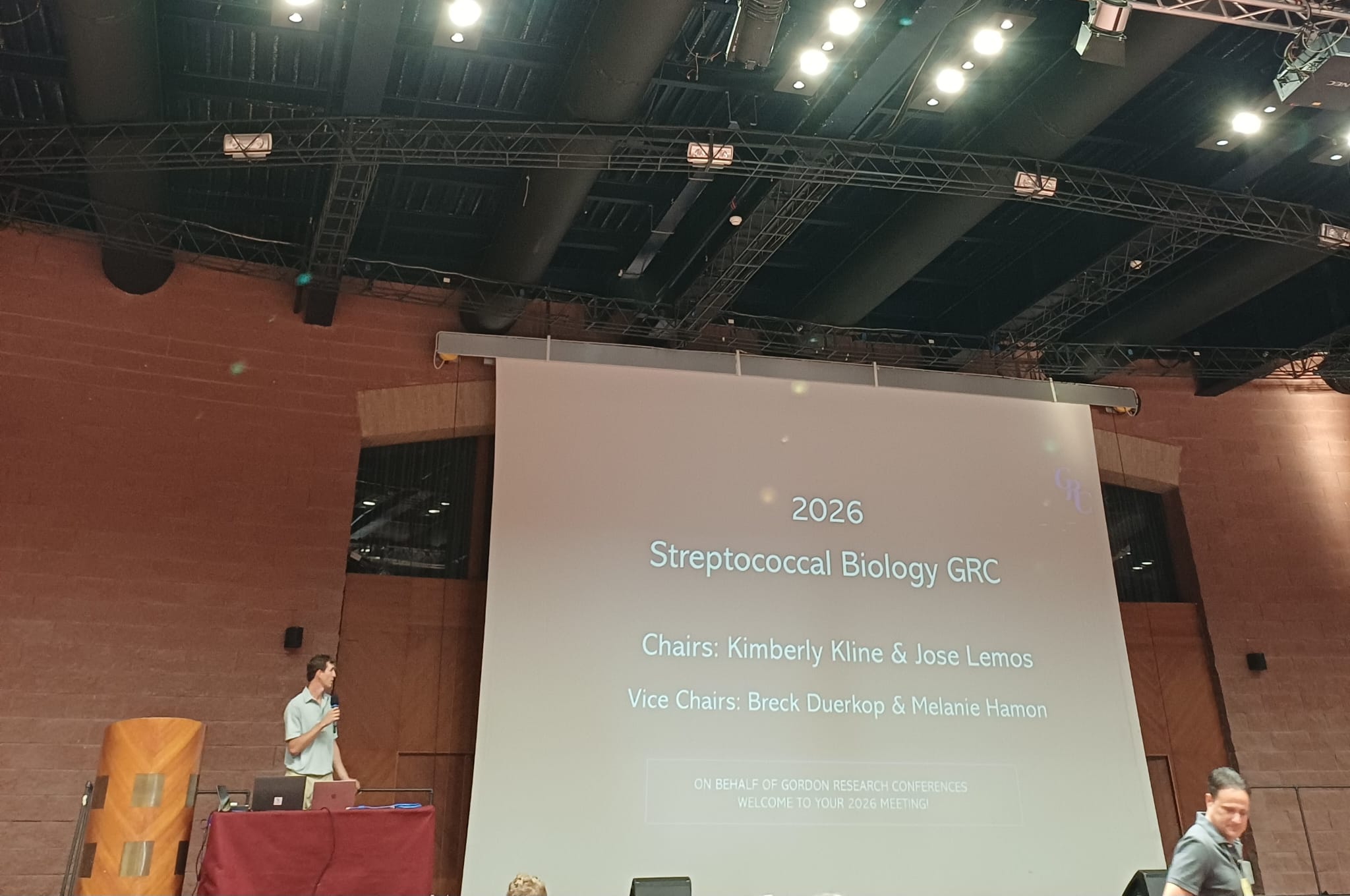
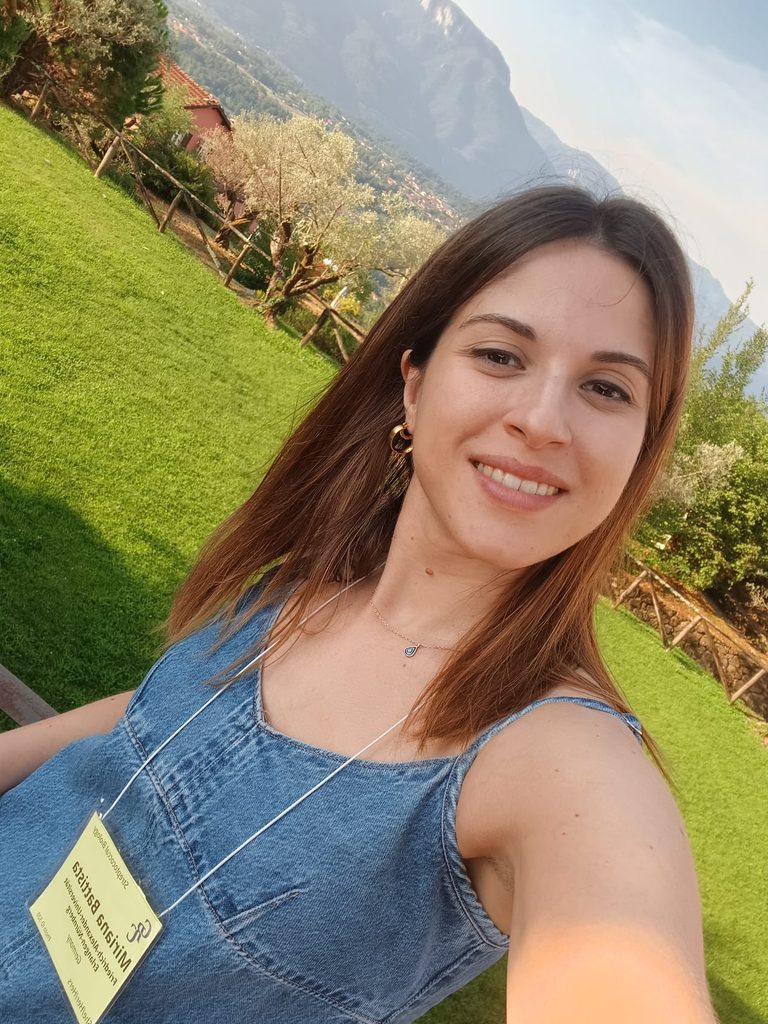
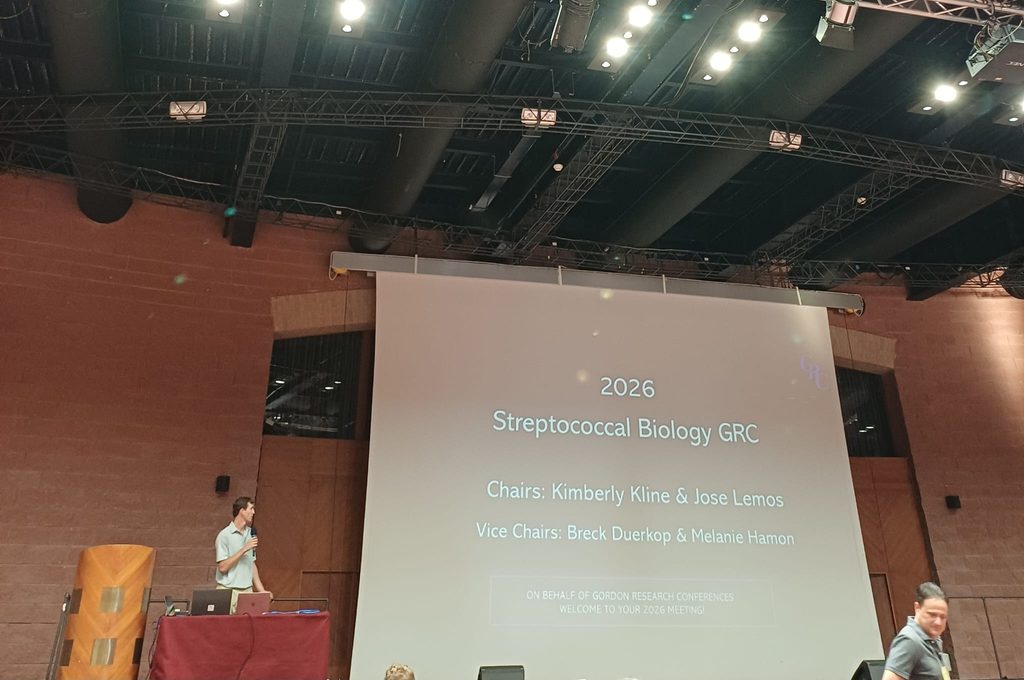
    Earlier this August, Miriana joined researchers from around the world at the Gordon Research Conference on Streptococcal Biology, held in the hills of Tuscany, Italy.

    Over five days, talks spanned a wide range of topics: clinical and translational insights into streptococcal and enterococcal disease, molecular mechanisms of pathophysiology, biofilms and polymicrobial community interactions, host-pathogen interactions, CRISPR-Cas systems and phage biology, etc. True to the GRC format, each session paired short talks with lively open discussion, and afternoons had reserved time for informal exchange between sessions.

    Miriana joined the GRC for the first time. She presented a poster, sharing her work on environmental cues shaping the biogenesis and function of pneumococcal extracellular vesicles and got very nice feedback!

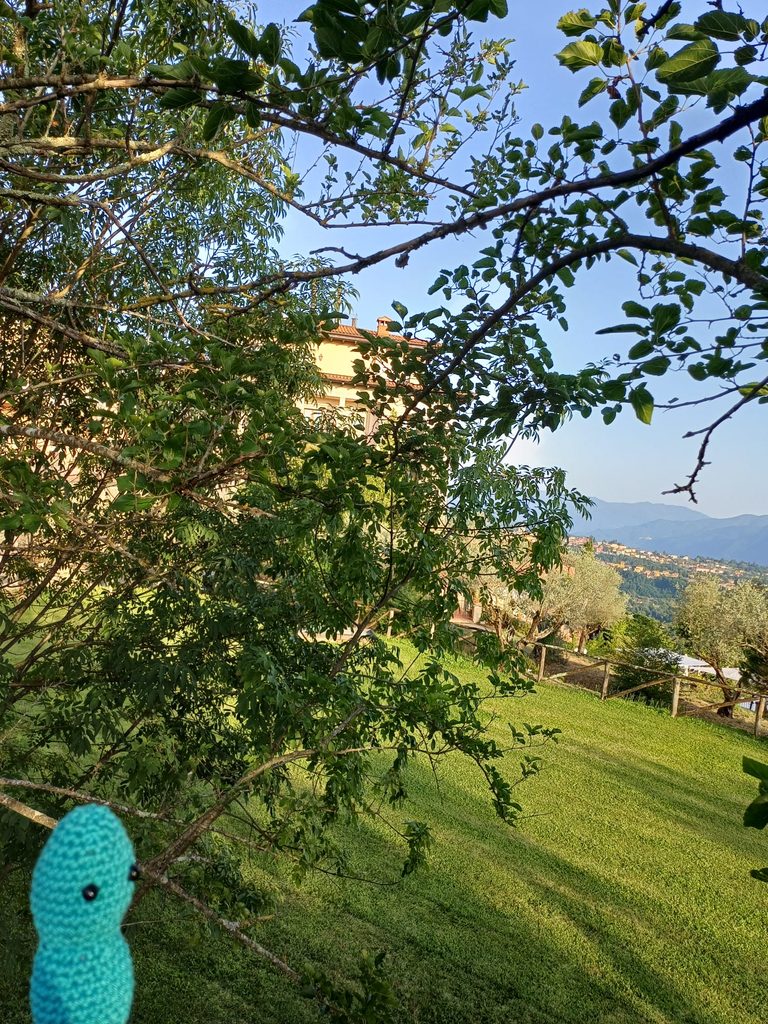
    And of course, Pneumy came along for the trip. Our favorite mascot was spotted taking some well-earned downtime, gazing out over the Tuscan hills between sessions. Even pneumococci need a break sometimes.

  • Our second publication is out!

    Our second publication is out!

    BIDlab ‘s second paper is out! 🥳 🎉 In this story, we explore how certain environmental conditions influence extracellular vesicles formation in our favorite bug Streptococcus pneumoniae and how this reflects on biofilm formation 🔬 🧫


    Awesome work by Miriana Battista, our collaborators at Applied Systems Biology and several students over the last couple of years, thank you all!! 🙏 🫂

    You can read our story here.

  • The first publication of the BIDlab is out

    The first publication of the BIDlab is out

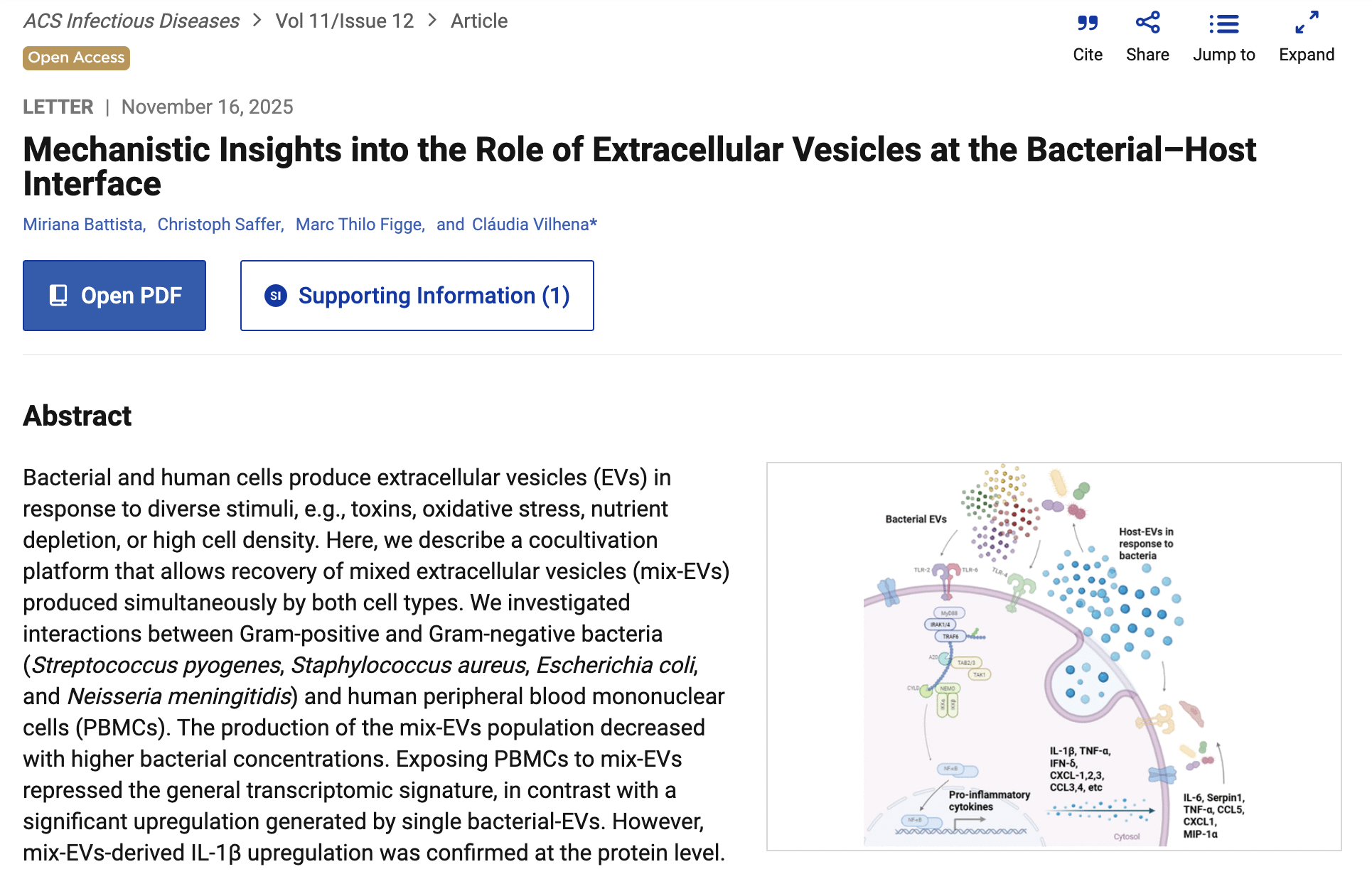
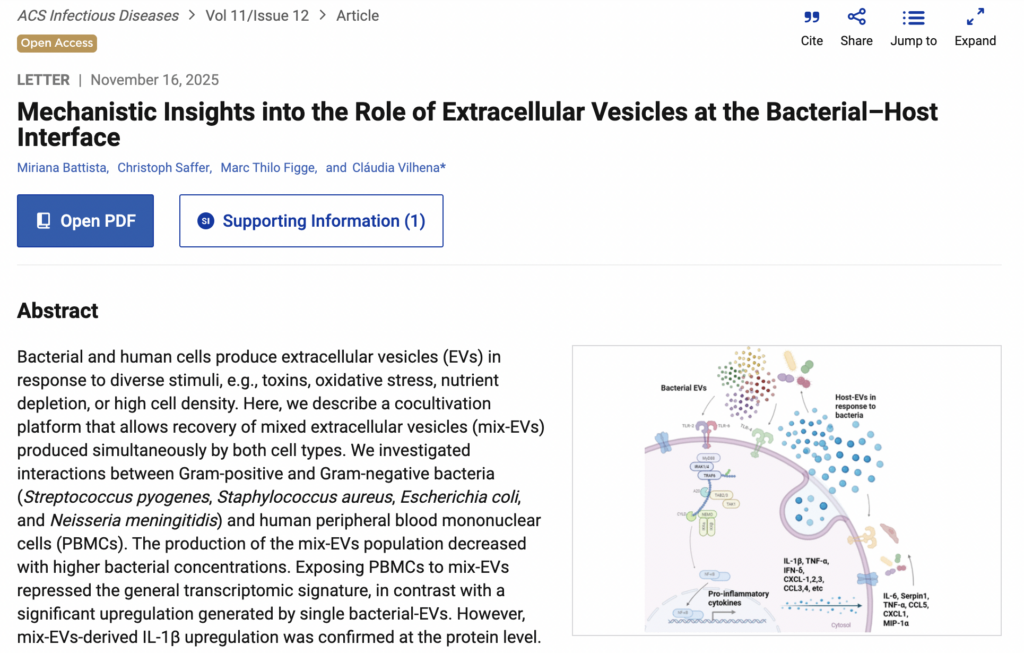
    So so happy to share with you our very first publication from the #BIDlab in ACS Infectious Diseases! 🥳 🎉 🙏

    In this work, we utilize a cocultivation platform to explore #extracellularvesicles formation at the interface between #bacteria and the human host and provide first insights into regulatory molecular mechanisms. 🧫 🦠

    A huge thanks to our super talented PhD student Miriana Battista and our amazing collaborators Christoph Saffer and Applied Systems Biology Jena for the work and support 👌 🙏

    You can read our story here.